Wisdom Teeth Headaches: Causes and Relief
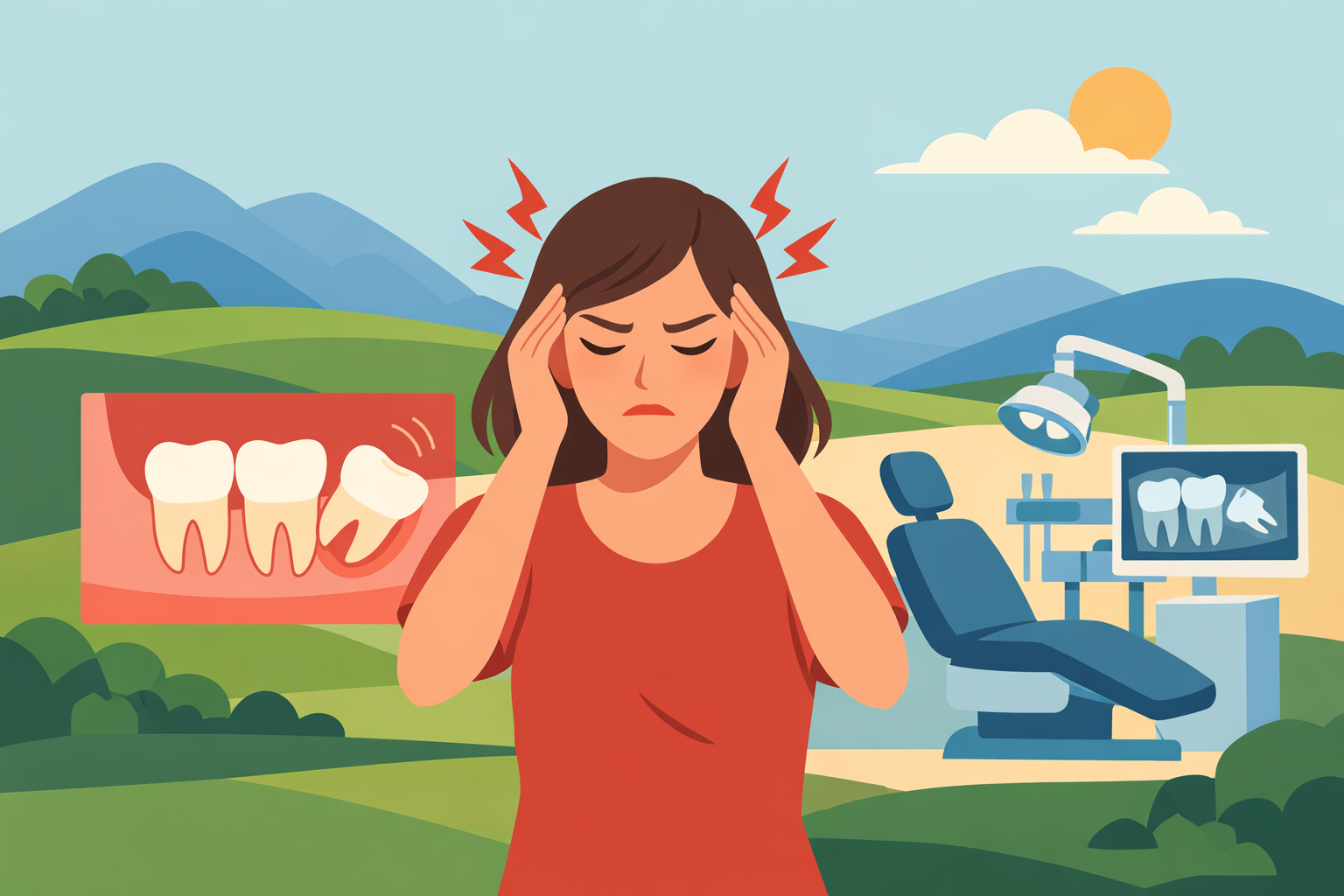
We’ve all blamed headaches on stress, lack of sleep, or too much screen time. But what if that persistent, throbbing pain in your head is coming from your mouth—specifically, your ?
It might sound strange, but there's a real connection between and headaches. If you’re dealing with unexplained facial pressure, jaw pain, or recurring tension headaches, it could be time to take a closer look at what’s happening in the back of your mouth.
Let’s explore how wisdom teeth and headaches are linked—and what you can do about it.
Wisdom teeth are your third set of molars. They usually show up between the ages of 17 and 25—right when you’re “wiser” (or so they say). Some people never develop them, while others get one, two, or all four.
They were once useful for grinding tough, raw foods. But thanks to modern diets and smaller jaws, for these latecomers, which is where the trouble begins.
An impacted wisdom tooth doesn’t fully emerge from the gum line. It can be:
- (only a portion breaks through)
- (stuck under the gums or in the jawbone)
According to this in-depth article on impacted wisdom teeth symptoms, common signs include:
- Jaw stiffness or pain
- Swelling around the gums
- Bad breath or a bad taste
- Earaches
Let’s break it down.
When wisdom teeth push against nearby teeth or jawbones, they can create pressure that radiates throughout your . This tension often results in , especially around the temples or behind the eyes.
An impacted wisdom tooth can misalign your jaw, leading to . TMJ dysfunction is a common culprit behind chronic headaches and facial pain.
If your gums are swollen or infected from impacted teeth, your body may respond with inflammation. This immune response can cause pain in nearby areas—including your .
Not all headaches come from wisdom teeth, but you might suspect a connection if you experience:
- A dull ache near the jaw that spreads to the head
- Pain that worsens when chewing or clenching
- Frequent sinus-like pressure with no congestion
- Clicking or popping in your jaw
- Swelling in the cheeks or near the ears
Sound familiar? It might be time to consider wisdom teeth removal.
Don’t wait for the pain to become unbearable. Visit an oral surgeon if:
- Your headaches are persistent and unexplained
- You’ve noticed swelling near your jaw or under your ears
- You have difficulty opening your mouth
- Over-the-counter pain relievers aren’t working
An evaluation and X-ray can confirm whether your wisdom teeth are to blame.
If you're not quite ready for surgery or you're waiting for a consultation, you can try:
- to relax your jaw
- to reduce inflammation
- to relieve TMJ pressure
- Avoiding hard or chewy foods that strain your jaw
These methods may help temporarily, but if your wisdom teeth are the root of the problem, removal is likely the long-term fix.
Getting your wisdom teeth removed might sound scary, but it’s a very common and safe procedure. Here’s what usually happens:
- Local or general anesthesia
- Surgical extraction (especially if teeth are impacted)
- Recovery time: 3–7 days
Not everyone needs to have them removed, though. Here’s why wisdom teeth don’t always need removal.
If your teeth are healthy, properly aligned, and pain-free—they may be fine right where they are.
Nope. Many people live headache-free with their wisdom teeth intact. Headaches only tend to happen when:
- The teeth are
- There's
- TMJ or pressure points are affected
So if your teeth came in smoothly, you might never feel a thing.
It’s easy to assume your headaches are caused by stress or screen time. But if they’re persistent, and especially if you notice any jaw discomfort or swelling, it’s worth checking with a dental specialist.
Only a proper exam and dental X-ray can confirm if your wisdom teeth are involved.
Wisdom teeth are unpredictable. Sometimes they sit quietly forever. Other times, they push, press, and cause a whole lot of trouble—including headaches.
If you’ve been chasing the cause of your recurring headaches with no relief, it might be time to check in with an oral surgeon. That pressure in your head could be starting way back in your jaw.
Explore your options, and don’t wait until it gets worse. A simple dental visit could save you months of unnecessary pain.
Wisdom Teeth Extraction: A Step-by-Step Patient Guide
February 6, 2026
How to Choose a Trusted Wisdom Tooth Removal Clinic
April 20, 2026
Oral Pathology: When a Biopsy Is Required and What to Expect
January 21, 2026
Your Complete Guide to Choosing the Right Dentist and Treatment
January 22, 2026
Jaw Surgery Risks and Benefits: What You Should Know Before Going Under
November 24, 2025