Best Drinks to Have After Wisdom Tooth Extraction
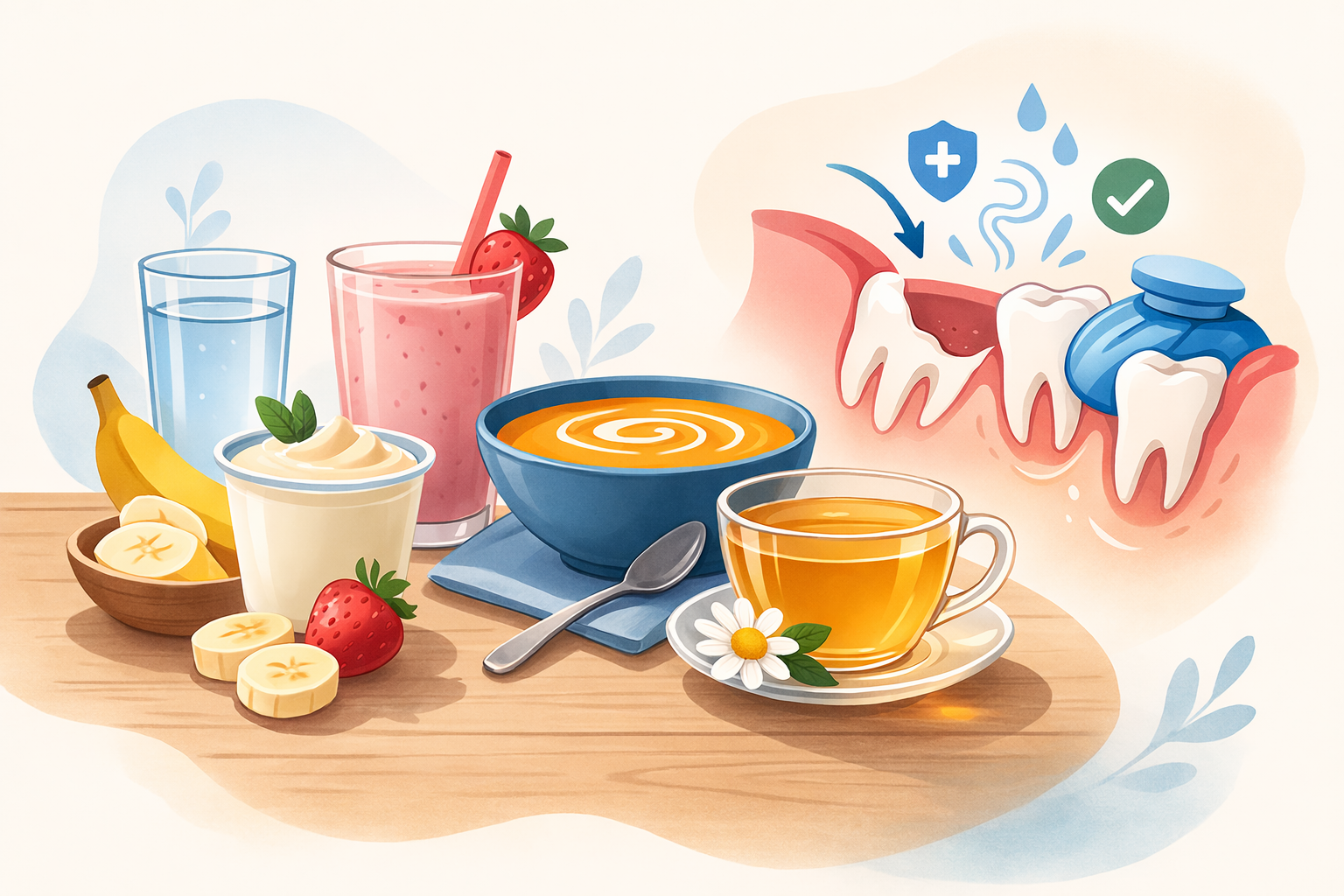
Recovering from wisdom tooth removal can feel like a balancing act — you’re sore, hungry, and thirsty, but you need to be careful about what you consume. While food restrictions are often discussed, after the procedure can significantly impact your healing process.
Choosing the helps prevent complications like dry socket, infection, or delayed healing. In this guide, we’ll break down which drinks are safe, which ones to avoid, and how to stay properly hydrated while protecting your healing gums.
If you’ve recently had your wisdom teeth removed or are preparing for the procedure, this post will help you confidently navigate your recovery phase — sip by sip.
Understanding the Healing Process After Wisdom Tooth Removal
Before diving into specific drinks, it helps to understand what happens after extraction. When a wisdom tooth is removed, a in the empty socket — this clot protects the underlying bone and nerves as the gum tissue heals.
If this clot becomes dislodged, it can lead to , a painful condition that delays healing and exposes the jawbone. The right drinks can support clot stability and tissue repair, while the wrong ones can increase irritation or infection risk.
Why Hydration Matters After Oral Surgery
Hydration plays a crucial role in recovery. Fluids help:
- from the mouth naturally
- , which aids healing
- , especially if you’re eating less solid food
- and support overall tissue repair
But not all fluids are created equal — some drinks soothe, while others can harm sensitive gums or the forming clot.
Safe Drinks After Wisdom Tooth Removal
Let’s go over the safest beverages to enjoy while recovering from surgery.
1. Water – The Best and Safest Choice
Nothing beats plain when it comes to hydration and healing. It’s gentle, neutral, and essential for recovery.
- Drink cool or room-temperature water (avoid hot water)
- Use small sips — no straws
- Keep a water bottle nearby to sip throughout the day
Water promotes healing without irritating your wounds or introducing sugar and acid.
2. Milk – A Gentle Source of Protein and Calcium
If tolerated, is another excellent post-surgery drink. It’s soothing, nutrient-rich, and contains protein and calcium, which support tissue and bone healing.
- Choose
- Avoid mixing milk with sugary syrups or chocolate flavorings
- Don’t drink through a straw
3. Smoothies – Nutritious but Needs Caution
Smoothies are a go-to for post-extraction recovery because they’re packed with vitamins, protein, and antioxidants. They help you maintain energy while your chewing ability is limited.
- Use like bananas, mangoes, and berries
- Add for extra nutrition
- Avoid seeds (like from strawberries or kiwi) that could irritate your wound
- Always use a spoon, not a straw
A banana-yogurt smoothie or a blended avocado shake makes a great healing drink.
4. Herbal Tea – Soothing and Anti-Inflammatory
Certain herbal teas can reduce inflammation and ease discomfort. (cooled down) can be soothing to sore gums.
- Let the tea cool completely before drinking
- Avoid caffeine-heavy teas
- Skip added lemon or honey until your gums fully heal
Herbal teas contain antioxidants and anti-inflammatory compounds that calm swelling and promote comfort.
5. Electrolyte Drinks – Replenish Lost Nutrients
If you’re struggling to eat or feeling lightheaded, can help maintain your fluid balance. Opt for low-sugar or natural electrolyte options.
Coconut water, Pedialyte, or diluted sports drinks (half water, half drink).
Avoid drinking them cold; lukewarm or room temperature is best for comfort.
Drinks to Avoid After Wisdom Tooth Removal
While the above drinks support healing, some common beverages can delay recovery or cause pain.
1. Avoid Carbonated Drinks (Soda, Sparkling Water)
Carbonation creates pressure in your mouth and can dislodge your healing clot. Additionally, soda is acidic and sugary — both harmful to exposed gums.
The bubbles can disturb the extraction site and increase infection risk.
2. Skip Hot Beverages (Coffee, Hot Tea, Hot Chocolate)
Hot temperatures can dissolve or loosen your blood clot, slowing the healing process. Even mild heat can cause irritation or bleeding.
3. No Alcohol
Alcohol delays healing, dries out your mouth, and can interfere with prescribed antibiotics or painkillers. Even a small amount can irritate your wound and cause bleeding.
Wait at least before having any alcoholic beverage — and confirm with your dentist first.
4. Avoid Fruit Juices and Acidic Drinks
Citrus-based drinks like orange, lemon, or pineapple juice can sting and damage delicate gum tissue. The acid also interferes with healing and increases infection risk.
If you crave something fruity, stick with made from bananas, melon, or blueberries instead.
5. Stay Away from Using Straws
This isn’t a drink itself, but it’s important: for at least a week after surgery. The suction can easily pull out the healing clot and cause dry socket. Always sip slowly from a cup.
How Long Should You Stick to Safe Drinks?
Generally, patients should follow a soft-food and liquid diet for the first after surgery. By the end of the first week, you can slowly reintroduce lukewarm coffee, tea, or blended soups if your healing is on track.
Your oral surgeon or dentist may provide a personalized timeline based on how many teeth were extracted and whether stitches were involved.
Practical Tips for a Smooth Recovery
To make your healing process easier, here are a few additional recommendations:
- Rinse gently with a saline solution after 24 hours to reduce bacteria.
- It can disturb the clot.
- Especially for smoothies or protein shakes.
- Sip water regularly instead of gulping.
- This minimizes swelling and bleeding.
If you want more detailed recovery steps, check out for a day-by-day guide.
When to Contact Your Dentist
If you experience any of the following after surgery, contact your oral surgeon right away:
- Persistent bleeding beyond 24 hours
- Severe pain or throbbing at the extraction site
- Bad taste or odor from the wound
- Fever or swelling that worsens after 3 days
Prompt attention can prevent infection or dry socket complications.
We are dedicated to treating you with the utmost care.
Final Thoughts
Recovering from wisdom tooth removal doesn’t have to be complicated. The right can speed up your recovery and prevent painful setbacks. Stick to cool water, milk, mild smoothies, and herbal teas during your first few days — and avoid hot, fizzy, or alcoholic drinks until your gums have healed.
With proper care and patience, you’ll be back to your normal diet (and favorite drinks) in no time.
When Wisdom Tooth Pain Is an Emergency (and When It Can Wait)
January 1, 2026
Zygomatic Implants: Your Guide to a Stronger Implant Solution
November 26, 2025
Wisdom Teeth Problems That May Lead to Serious Cysts
May 19, 2026

Upper vs. Lower Wisdom Teeth: Why the Pain Feels Different
April 29, 2026
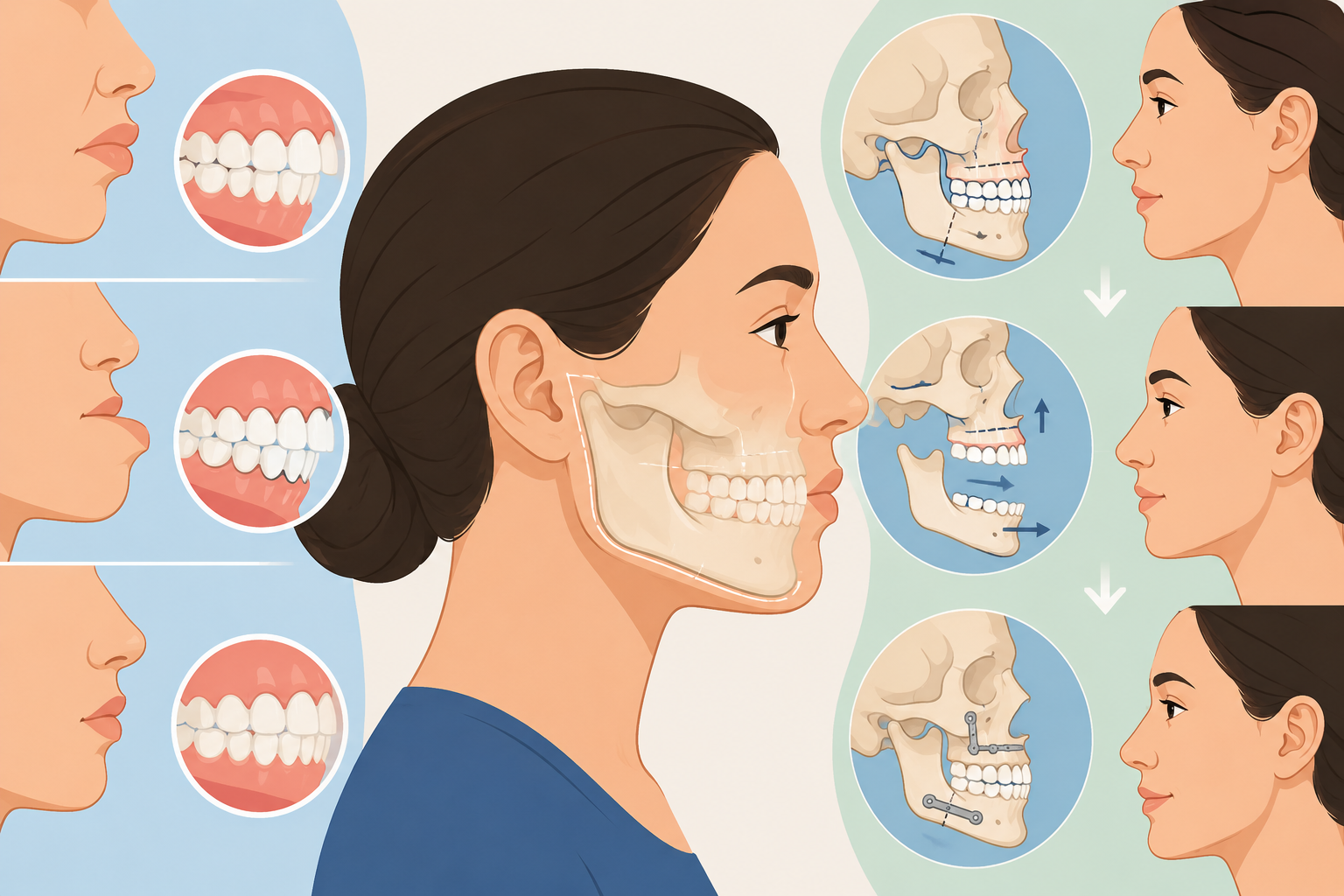
How Bite Correction Surgery Fixes Overbite, Underbite, and Jaw Alignment
May 18, 2026