Morning vs. Night Oral Care: What Experts Recommend
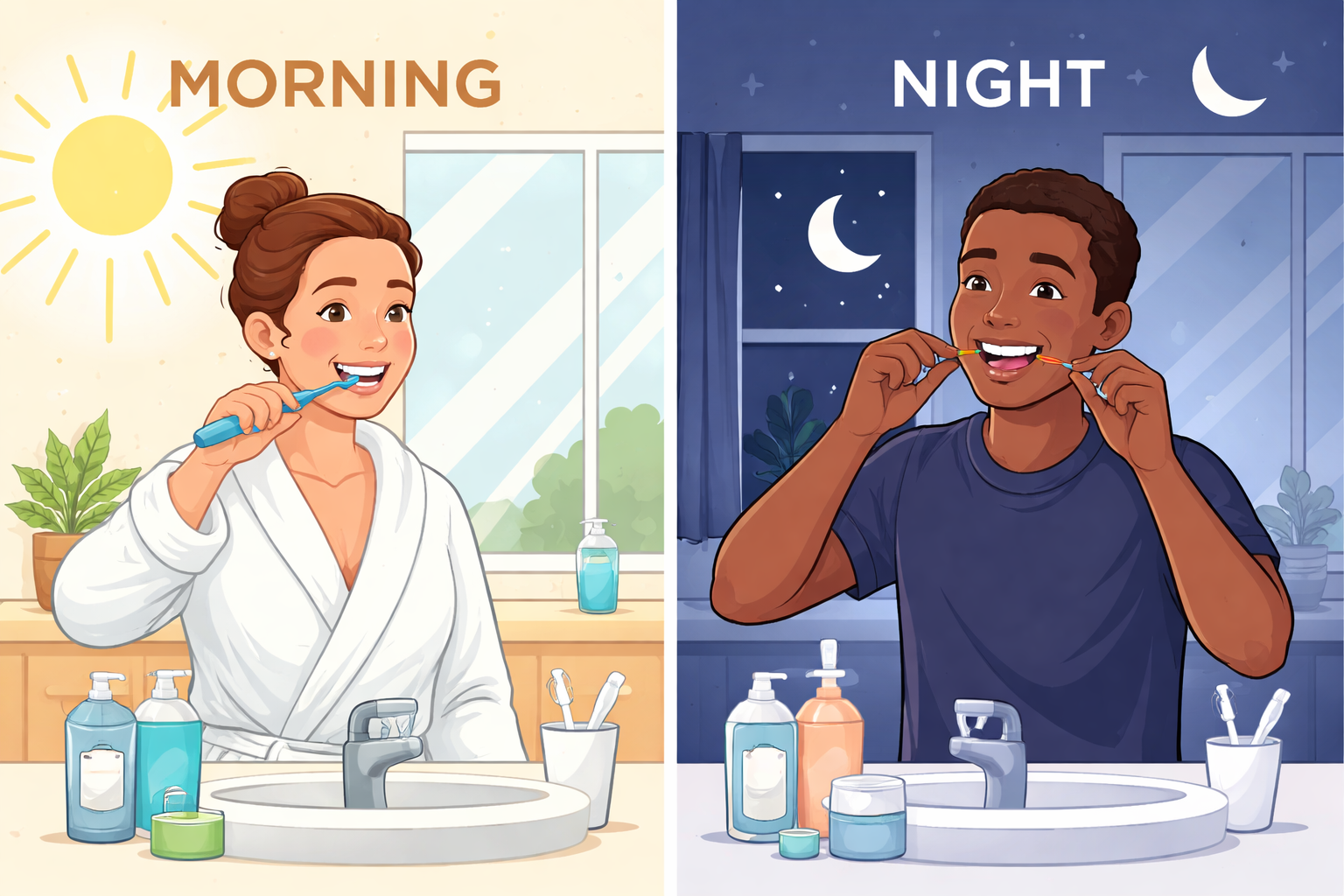
Maintaining a healthy smile isn’t just about brushing twice a day—it’s also about you brush and how you care for your teeth throughout the day. Morning and night oral care routines serve different purposes, and understanding the science behind them can help you maximize your oral health. In this guide, we’ll break down expert recommendations, explore the best practices for both morning and night, and share tips to protect your teeth from decay, gum disease, and bad breath.
Why Timing Matters for Oral Care
Oral health isn’t only about the number of times you brush—it’s about the quality and timing of care. Experts explain that your mouth undergoes different changes throughout the day and night. In the morning, your mouth may harbor bacteria that accumulated overnight, while at night, saliva production slows, leaving your teeth more vulnerable to decay. Understanding these differences helps you create a routine that protects your teeth and gums 24/7.
Morning Oral Care: Starting Your Day Right
Remove Overnight Bacteria
While you sleep, your mouth produces less saliva, allowing bacteria to multiply. Brushing in the morning removes this buildup, preventing bad breath and protecting your enamel. Many dentists recommend brushing first thing after waking, even before breakfast, to eliminate overnight plaque.
Morning Flossing Benefits
Flossing in the morning may feel optional, but it ensures that any food particles left from the previous night are removed. This reduces the risk of gum inflammation and strengthens your daily oral hygiene routine.
Mouthwash for a Fresh Start
Using a mouthwash in the morning can help kill lingering bacteria and create a fresh, clean environment for your teeth and gums. Choose an alcohol-free formula to avoid drying out your mouth, which can make bacteria more active.
Night Oral Care: Protecting Your Smile While You Sleep
Brushing Before Bed
Night brushing is crucial. Experts highlight that brushing before sleep removes food debris and plaque accumulated during the day. Since saliva production slows overnight, this is your primary defense against cavities and gum disease.
Flossing for Deep Cleaning
Flossing at night ensures that areas between teeth, where plaque often builds, are clean before you sleep. Skipping flossing can lead to tartar buildup, increasing the risk of cavities and gum issues.
Additional Nighttime Tips
Some people may wonder about lifestyle factors after dental procedures. For example, if you recently had oral surgery, knowing how to manage can help guide your routine and reduce complications.
Comparing Morning vs. Night Oral Care
Both morning and night routines are essential, but they serve slightly different purposes. Morning care primarily focuses on freshening your mouth and removing overnight bacteria. Night care is about protecting your teeth during the hours when your mouth is most vulnerable. Experts generally agree that if you had to prioritize, night brushing is slightly more critical, but combining both routines ensures maximum protection.
Additional Expert Recommendations
Choosing the Right Toothbrush and Toothpaste
Dentists recommend a soft-bristled toothbrush to avoid damaging enamel and gums. Fluoride toothpaste is a must for both morning and night routines, as it strengthens teeth and fights decay. Some experts even suggest keeping a dedicated toothbrush at work for midday touch-ups, especially after meals.
Addressing Oral Care After Surgery
For patients recovering from procedures like wisdom teeth removal, specific oral care routines are crucial. Knowing can prevent irritation and help healing.
Considering Age and Timing
The timing of dental procedures and oral care routines can also vary by age. For example, learning about the helps parents plan care for teens and young adults. Proper oral care routines tailored to age and dental history can prevent long-term complications.
Common Mistakes in Oral Care Timing
Even with the best intentions, some habits can harm your teeth:
- This can weaken enamel. Wait at least 30 minutes after eating.
- Leaves teeth exposed to bacteria overnight.
- Plaque between teeth can lead to cavities and gum disease.
- Alcohol-based mouthwash can dry your mouth, reducing natural protection.
- Avoiding tobacco is crucial; see to prevent complications.
Correcting these mistakes can dramatically improve oral health outcomes.
Lifestyle Tips to Enhance Oral Health
- Saliva protects teeth by neutralizing acids.
- Sugar feeds bacteria and accelerates decay.
- Biannual cleanings help maintain healthy teeth and gums.
- Follow expert advice after oral procedures for faster recovery.
Creating the Perfect Routine
A simple, effective daily routine could look like this:
- Brush with fluoride toothpaste, floss, and rinse with mouthwash.
- Rinse after meals, hydrate, and avoid excessive sugary snacks.
- Brush thoroughly before bed, floss to remove debris, and consider protective measures if recovering from surgery.
Consistency is key. Experts emphasize that the best routine is one you can maintain daily without fail.
Final Thoughts
Morning and night oral care serve complementary roles in maintaining a healthy, strong smile. By understanding the differences and implementing expert recommendations, you can prevent cavities, gum disease, and other oral health issues. Paying attention to timing, technique, and additional lifestyle factors ensures your teeth are protected throughout the day and night.
A healthy smile isn’t just about brushing—it’s about smart, informed care. Follow these practices, consult your dentist regularly, and stay proactive in protecting your oral health.
Oral Health and Heart Disease: What to Know
May 6, 2026
Quiz: Are Your Wisdom Teeth Starting to Cause Trouble?
April 22, 2026
Can You Smoke or Vape After Wisdom Tooth Removal?
December 1, 2025
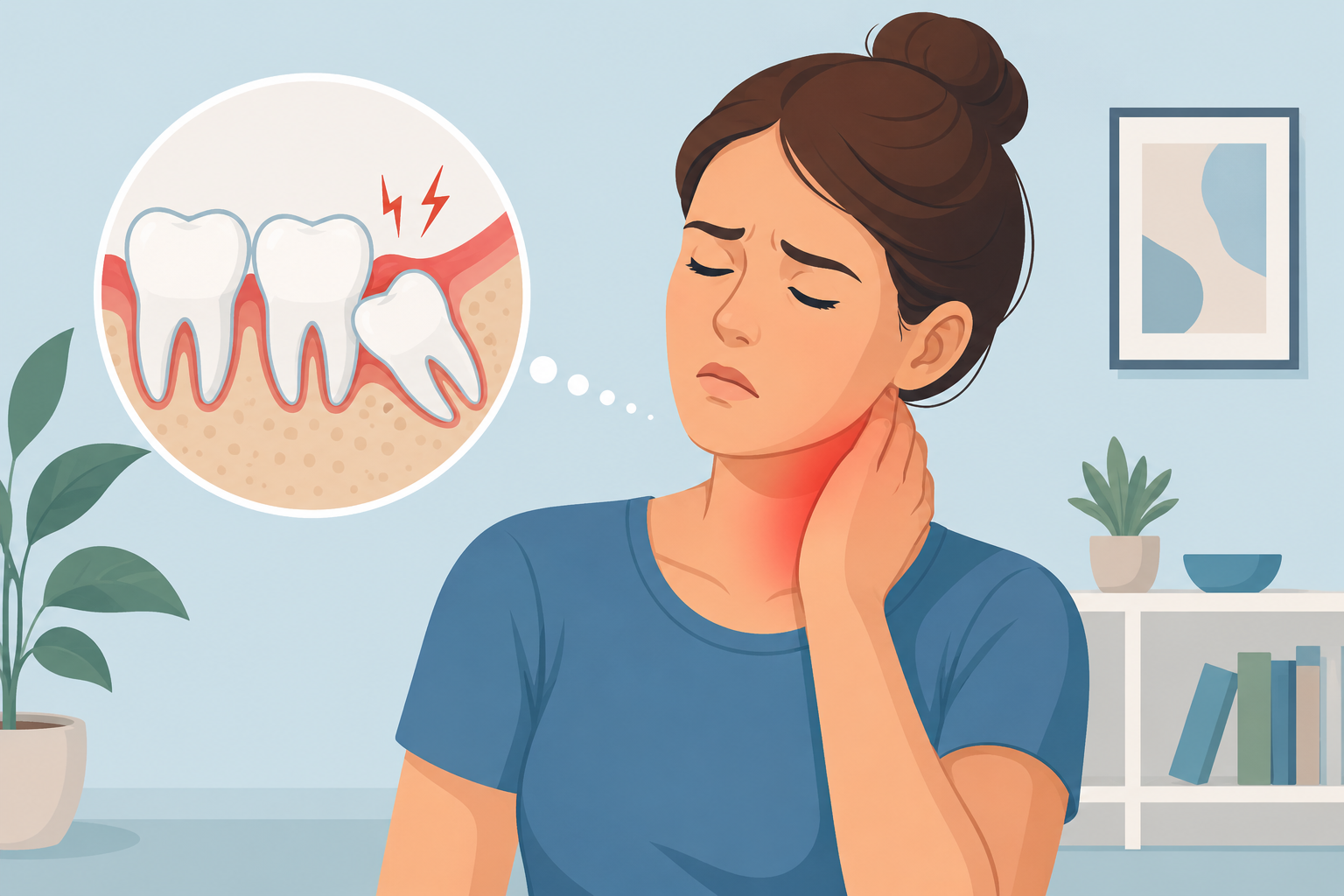
Can Wisdom Teeth Cause Neck Pain and Stiffness?
June 5, 2026
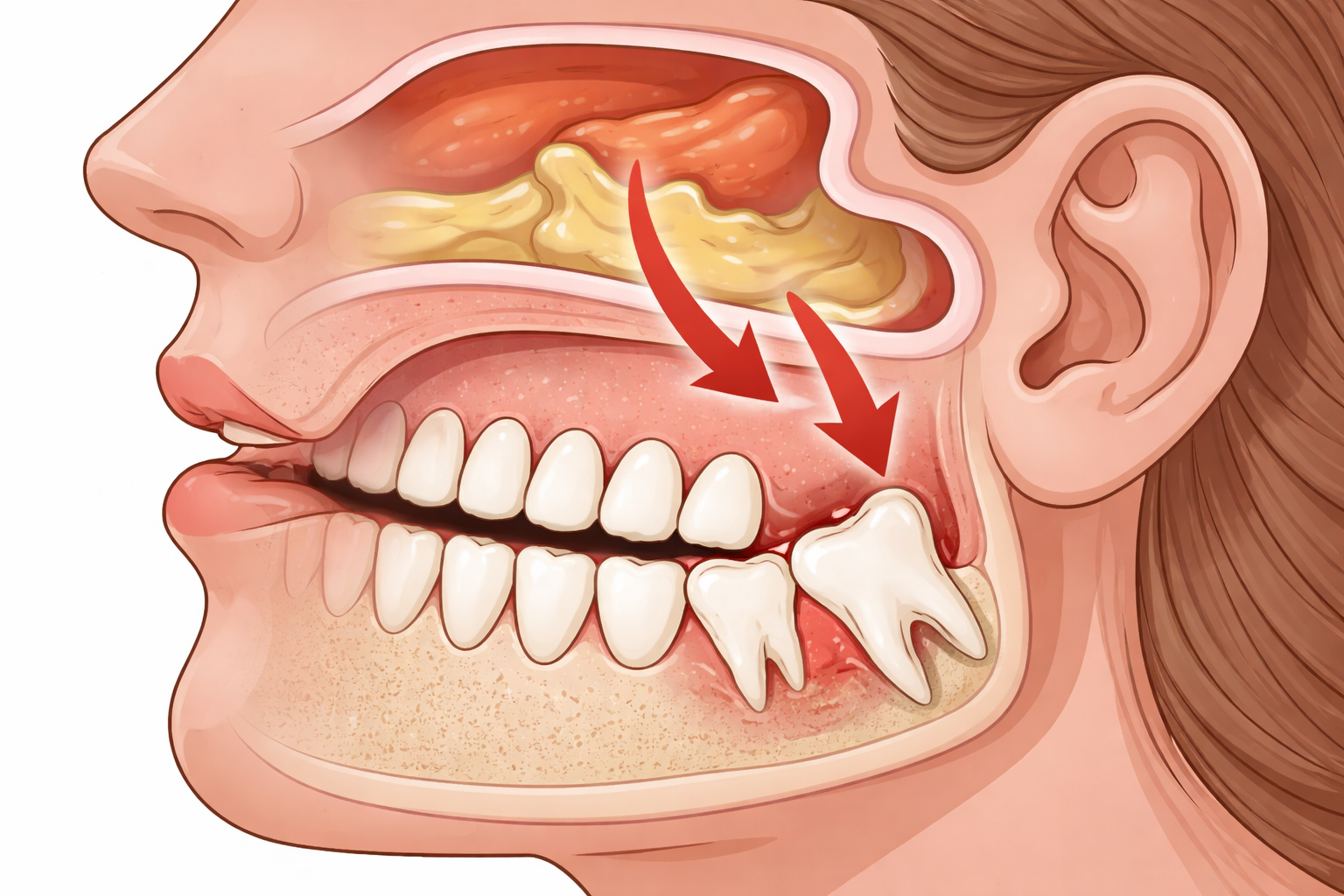
How Wisdom Teeth Can Cause Sinus Problems
February 2, 2026