Dry Socket After Wisdom Teeth Removal: Symptoms and Prevention
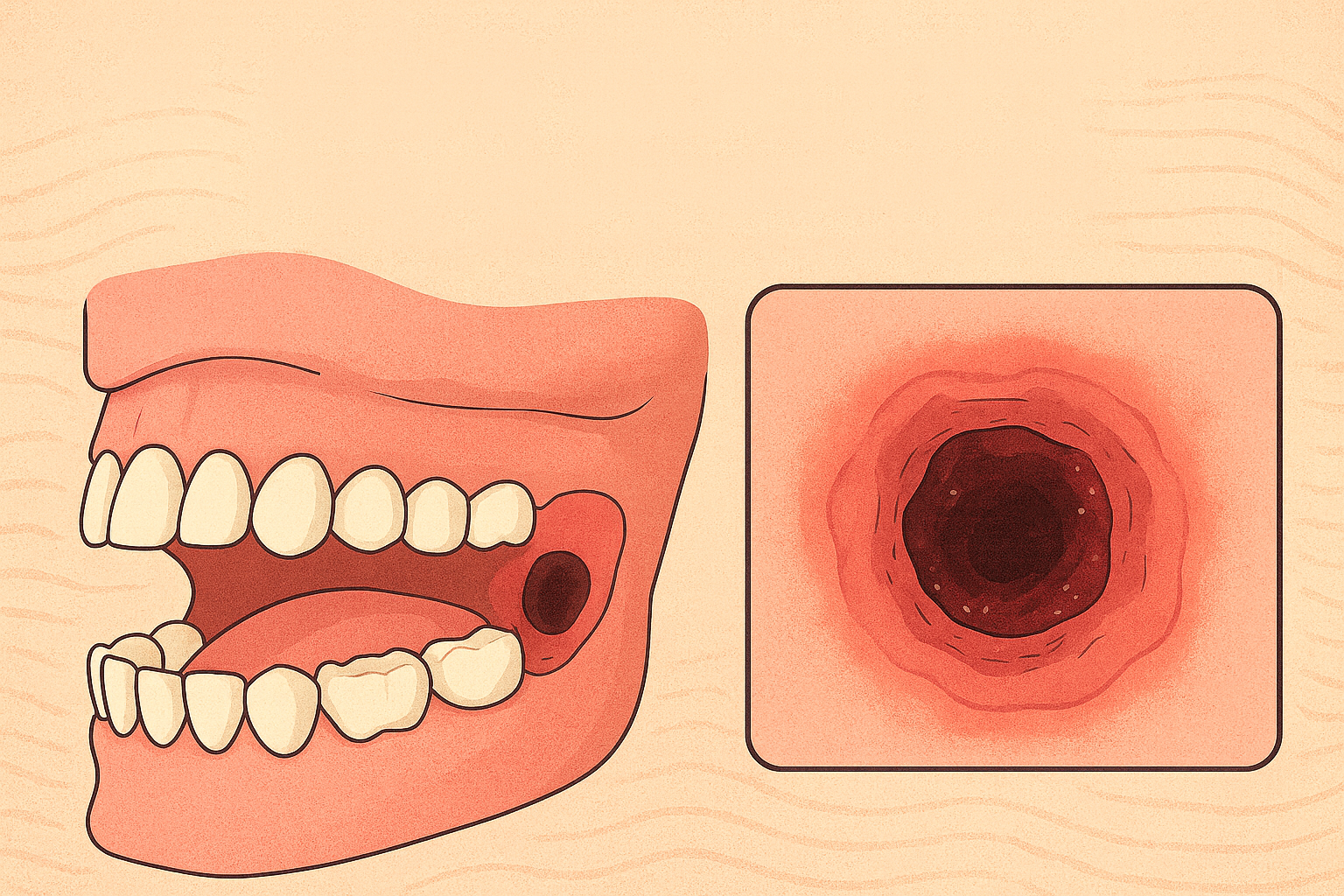
So, you finally had your wisdom teeth pulled—yay, right? Well, hold up. Just because the hard part is over doesn’t mean you're in the clear. There’s one pesky complication you need to watch for: . It’s painful, annoying, and completely preventable—if you play it smart.
In this guide, we’re diving into everything you need to know about dry socket, how to spot it, and most importantly—how to avoid it like the plague.
Dry socket, or , happens when the blood clot that forms in your socket after tooth extraction gets dislodged or doesn’t form properly. That blood clot is like a natural bandage—it protects the underlying bone and nerves. Without it? Raw bone and exposed nerves. Ouch.
While not common, it’s not rare either. Around 2-5% of people who get wisdom teeth removed end up with a dry socket. The risk is higher with lower molar extractions.
Some of the main causes include:
- Sucking motions (straws, smoking)
- Aggressive rinsing or spitting
- Poor oral hygiene
- Hormonal changes
- Surgical trauma
Normal post-op pain tends to decrease after the first two days. If it suddenly gets worse, radiates to your ear, or feels throbbing—it could be a dry socket.
If you can actually see white bone in the socket, that's a red flag.
An open wound can invite bacteria. If your breath starts smelling foul or you have a bad taste in your mouth, it’s likely infected.
These symptoms may indicate a deeper infection. Don’t wait—call your surgeon.
Dry socket symptoms typically kick in 3–5 days after surgery. You may feel great at first, only to be hit with a wave of intense pain when the clot dislodges. This is what makes it sneaky and dangerous.
Tobacco is a major culprit. Not only does it reduce blood flow, but the suction from smoking can dislodge the clot.
If you’re not keeping your mouth clean (without disturbing the site), you’re inviting bacteria in.
Both of these create suction, which can pull that essential blood clot right out.
If you’ve had it once, you’re more likely to get it again. Your dentist may take extra precautions.
Impacted wisdom teeth are harder to remove, which means a greater risk of trauma—and dry socket.
With more surgical cutting and bone involvement, healing takes longer and requires more post-op care.
Seriously, don’t wing it. Follow every word of your post-op instructions.
Just avoid these completely for at least 72 hours. Trust us, it’s worth it.
Don’t brush the socket area, but keep the rest of your mouth clean to avoid bacteria buildup.
Not sure what foods are safe during recovery? Learn what to eat before and after wisdom tooth surgery to support healing and avoid complications.
Sleeping with your head elevated can help reduce swelling and bleeding. Use multiple pillows and avoid sleeping on your side.
Apply ice packs, elevate your head, and give your body time to heal. You earned it!
If you do develop dry socket, your oral surgeon will clean the site and place medicated gauze to ease the pain and promote healing.
Painkillers, clove oil, and salt water rinses can help—but only as directed.
Dry sockets usually heal within 7–10 days with proper care.
Expect swelling, discomfort, and a restricted diet for a few days. Full recovery typically takes 1–2 weeks, but complications like dry socket can delay this.
- Worsening pain after day 3
- Visible bone in the socket
- Swelling or pus
- Fever or chills
If anything feels , call your oral surgeon ASAP.
The sooner you act, the easier it is to treat. Delay can lead to infection, extended healing, and unnecessary suffering.
Experienced surgeons know how to minimize trauma, reduce risks, and guide you through proper aftercare.
Dry socket isn’t something to mess with—it hurts, delays healing, and can lead to infections if you’re not careful. But here’s the good news: it’s mostly avoidable. Stick to your aftercare instructions, avoid the risky stuff (we’re looking at you, straws and cigarettes), and don’t ignore warning signs. If you do all that, you’ll be back to normal in no time.

7-Day Meal Plan After Wisdom Tooth Surgery Recovery
April 23, 2026

Why Summer Is Perfect for Wisdom Tooth Removal
May 25, 2026

Can Wisdom Teeth Trigger Chronic Headaches?
May 25, 2026

Speed Up Your Wisdom Teeth Recovery with These Practical Tips
June 8, 2026
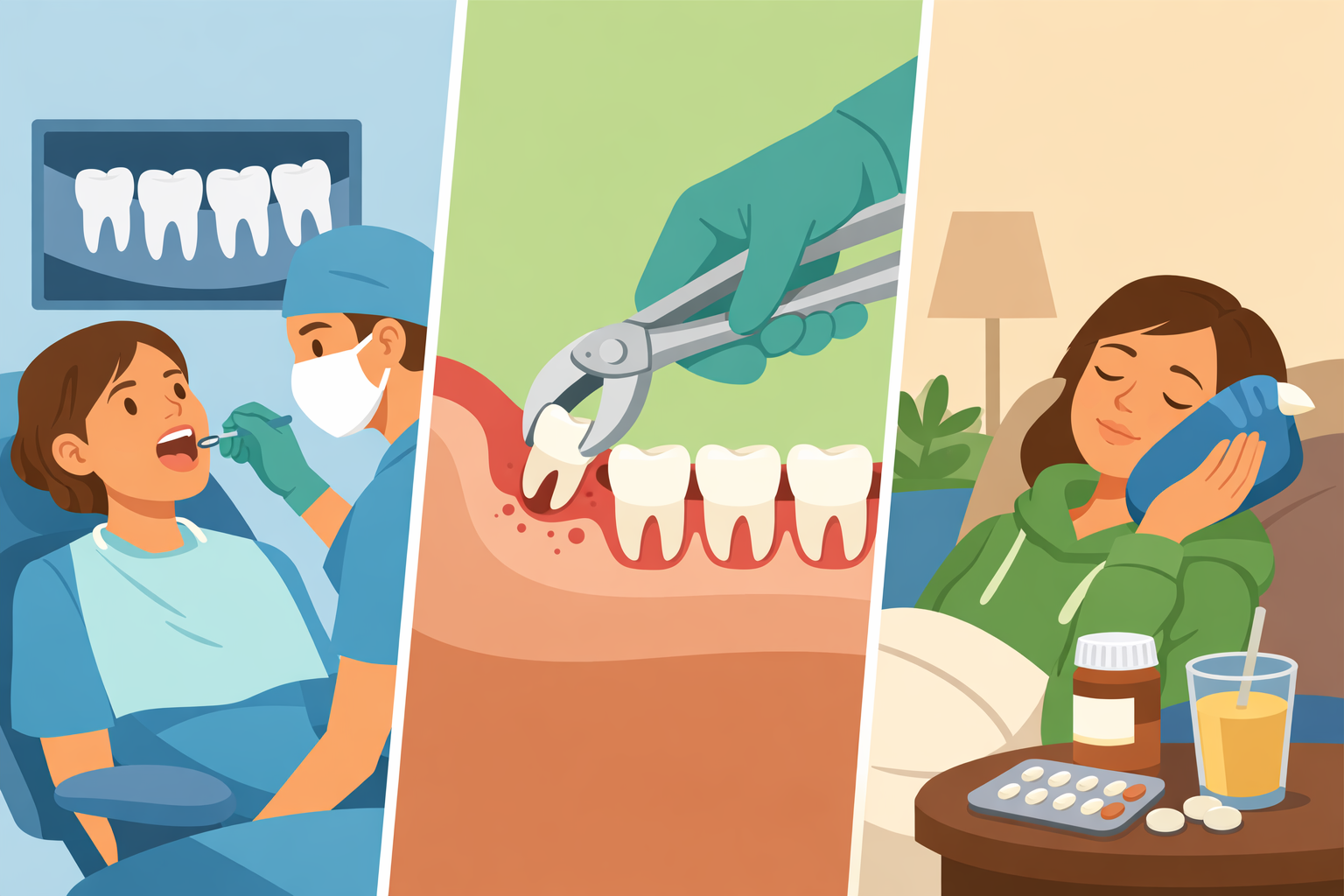
Wisdom Teeth Extraction: A Step-by-Step Patient Guide
February 6, 2026