Wisdom Tooth Extraction: Dentist vs. Oral Surgeon

If you’ve been told you need a wisdom tooth removed, one of the first questions you may ask is:
The answer depends on several factors—how your tooth is positioned, your symptoms, and your overall oral health.
In this guide, we’ll break down the differences between a , when each is appropriate, and how to make the right decision for a safe, comfortable extraction.
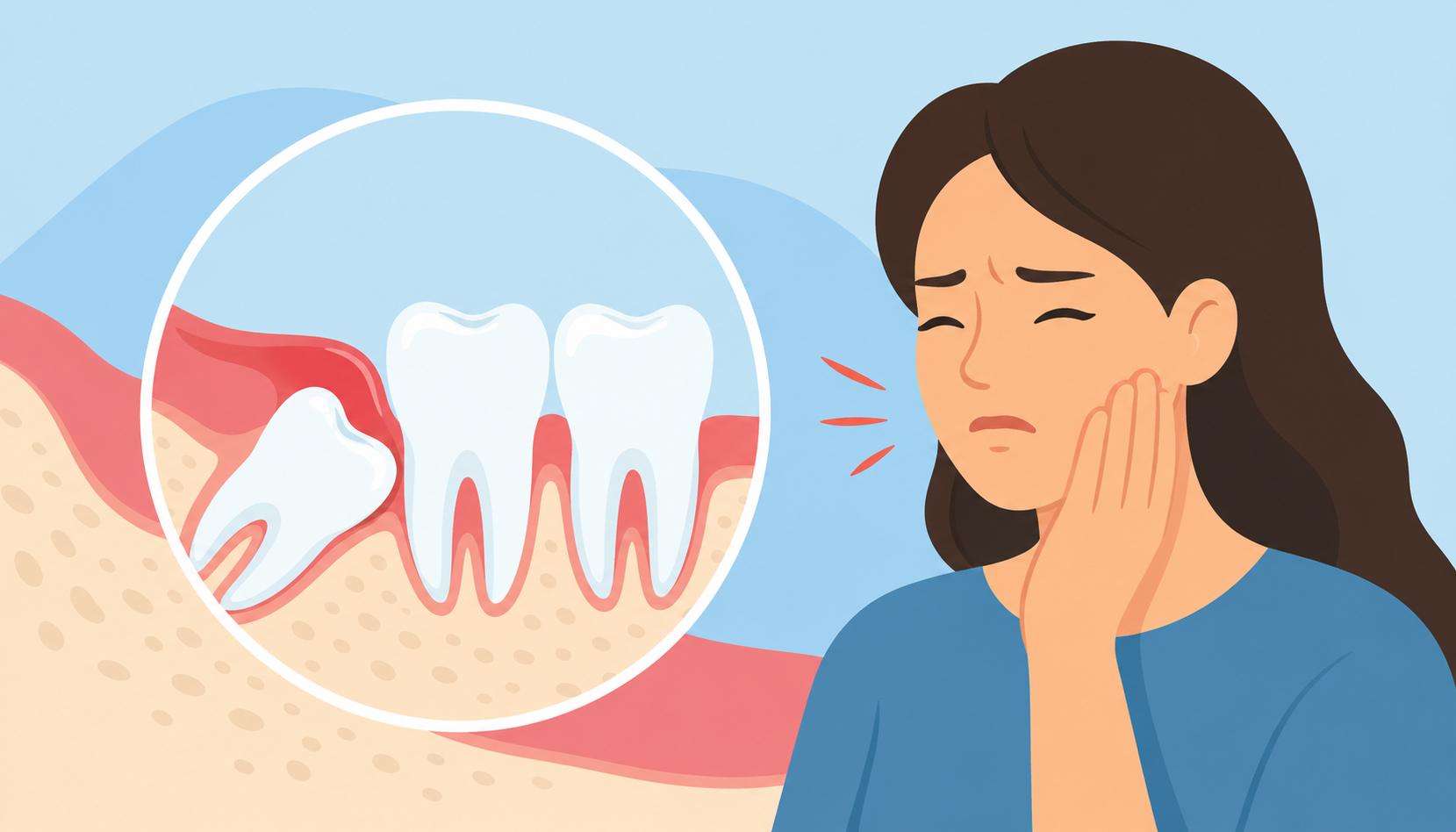
Wisdom tooth extraction is a dental procedure to remove one or more third molars, usually due to pain, impaction, infection, or crowding. While some wisdom teeth grow in normally, many do not have enough space to erupt properly, leading to complications.
Extraction can range from a to a , which is where the choice of provider matters most.
A general dentist can perform wisdom tooth extractions in certain situations, typically when the procedure is straightforward.
- Fully erupted wisdom teeth
- Teeth positioned normally above the gum line
- No signs of impaction or nerve involvement
- Minimal risk of complications
- Often more affordable
- Convenient if you already have an established dentist
- Suitable for simple, non-surgical extractions
Dentists usually , especially if the tooth is impacted, broken under the gum, or close to major nerves or sinuses.
An oral and maxillofacial surgeon is a dental specialist trained specifically in and complex oral procedures.
- Impacted wisdom teeth (fully or partially trapped in the jawbone)
- Teeth growing sideways or pressing against other teeth
- Infected or cyst-associated wisdom teeth
- Multiple wisdom teeth removed at once
- Patients with dental anxiety or medical conditions
- Advanced surgical expertise
- Ability to handle complications safely
- IV sedation and general anesthesia options
- Faster, more predictable recovery for complex cases
If imaging shows nerve proximity, bone impaction, or abnormal positioning, an oral surgeon significantly reduces the risk of complications such as nerve damage, excessive bleeding, or dry socket.
One of the biggest distinctions between dentists and oral surgeons is .
- typically offer local anesthesia or light oral sedation
- provide IV sedation or general anesthesia
For patients with anxiety or those undergoing surgical extraction, IV sedation can make the experience far more comfortable.
Cost varies based on complexity rather than provider alone.
- Simple extractions by a dentist are usually less expensive
- Surgical extractions by an oral surgeon cost more but include specialized care and sedation
- Dental insurance often covers both, depending on medical necessity
Choosing the cheapest option isn’t always the safest—especially for impacted or complicated wisdom teeth.
Attempting a surgical extraction with a provider who isn’t equipped for it can increase the risk of:
- Incomplete tooth removal
- Nerve damage
- Infection
- Prolonged healing
- Emergency referrals mid-procedure
This is why dentists frequently when the case exceeds a simple extraction.
You’ll likely need an if:
- Your wisdom tooth is impacted
- You’re experiencing severe pain or infection
- X-rays show proximity to nerves
- Multiple teeth need removal
- You want IV sedation
A if:
- The tooth is fully erupted
- There’s no infection or impaction
- The extraction is quick and uncomplicated
When in doubt, a consultation and X-ray or 3D scan will make the answer clear.
Both dentists and oral surgeons play important roles in wisdom tooth removal—but . Simple cases can often be handled by a general dentist, while impacted or surgical extractions are best left to an oral surgeon.
Choosing the right provider ensures:
- Safer removal
- Fewer complications
- Faster recovery
- Greater peace of mind
If your dentist refers you to an oral surgeon, it’s not a setback—it’s a step toward the best possible outcome.
at 305-552-1193

Wisdom Tooth Pain Relief: When to Use Ice vs Heat
May 28, 2026
When Should Wisdom Teeth Be Removed? Warning Signs to Know
May 15, 2026

Simple Tips to Keep Your Breath Fresh All Day
April 20, 2026

How Safe Is Modern Oral Surgery? What Patients Need to Know
December 30, 2025

Can Diabetics Safely Undergo Oral Surgery?
January 6, 2026