Antibiotics and Painkillers in Wisdom Tooth Recovery
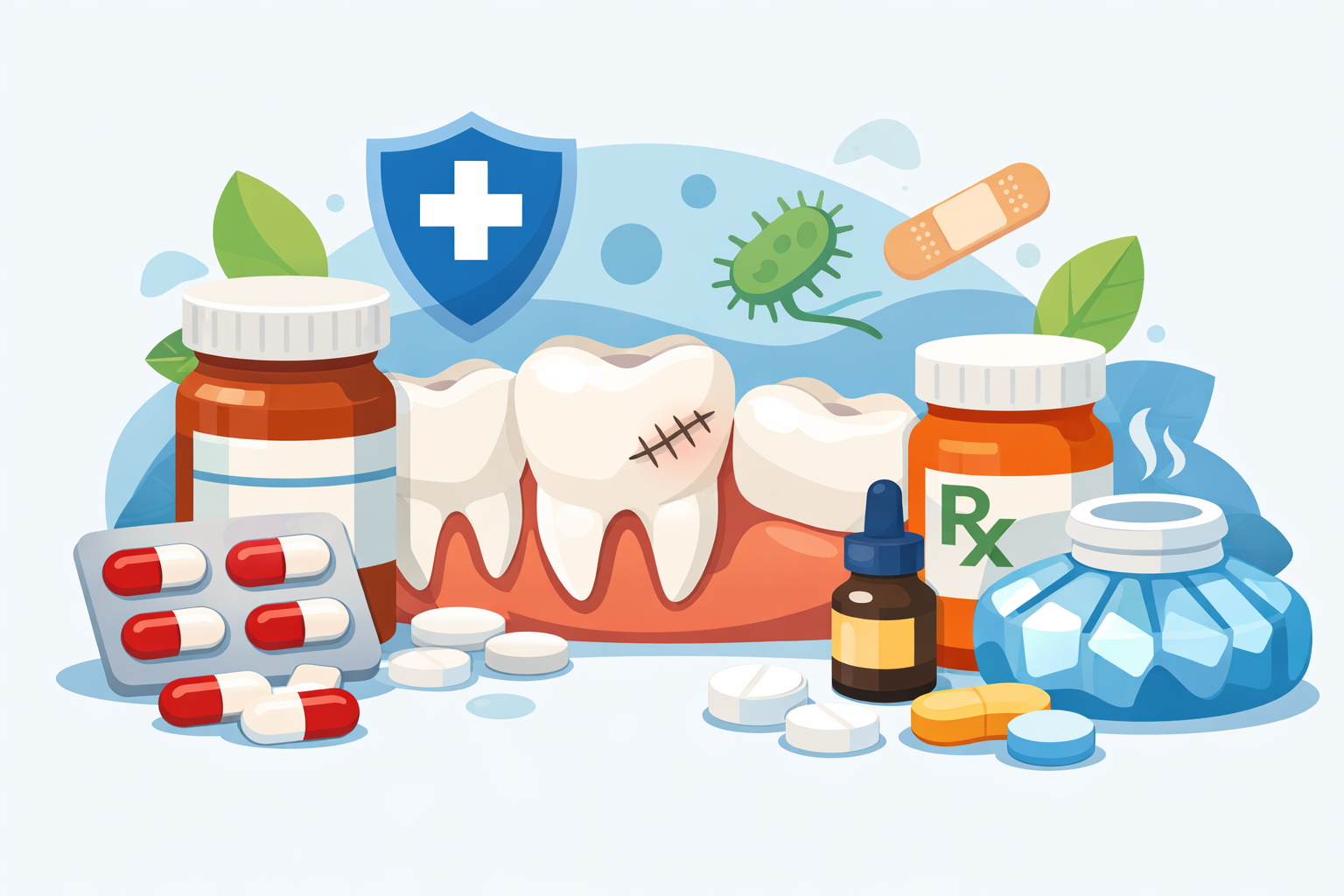
Wisdom tooth removal is a common dental procedure, but proper recovery is essential for avoiding complications and promoting healing. Two of the most important tools in this process are and . Understanding their role, proper use, and safety considerations can make your recovery smoother and more comfortable.
Why Antibiotics Are Prescribed After Wisdom Tooth Removal
Antibiotics are medications that help . After a wisdom tooth extraction, your gums and jawbone are temporarily vulnerable to bacteria. Prescribing antibiotics in specific cases helps reduce the risk of infection, which can cause .
When Are Antibiotics Necessary?
Not every patient will need antibiotics. They are usually recommended if:
- The extraction was complex or surgical.
- You have pre-existing health conditions that affect immunity.
- There were signs of infection before the procedure.
- You are at risk for complications such as dry socket or abscess.
Always follow your dentist’s or oral surgeon’s prescription instructions. unless advised by your doctor, as this can lead to antibiotic resistance or infection recurrence.
How Painkillers Help With Recovery
Pain management is crucial after wisdom tooth removal. Painkillers, also called , reduce discomfort, allowing you to while your mouth heals.
Types of Painkillers Commonly Used
- Examples: Ibuprofen (Advil, Motrin), Acetaminophen (Tylenol)
- Used for mild to moderate pain and inflammation.
- Examples: Hydrocodone or Oxycodone combinations
- Typically prescribed for severe pain, especially after surgical extractions.
- Should be used carefully to avoid dependency.
Tips for Effective Pain Management
- Take painkillers rather than waiting for pain to worsen.
- Use a combination of only if approved by your doctor.
- Avoid alcohol while taking painkillers.
- Apply to reduce swelling alongside medication.
Schedule your consultation today
Call us at 305-552-1193 to speak with our team
How Antibiotics and Painkillers Work Together
Antibiotics and painkillers serve different purposes but complement each other in recovery:
- prevent or control infection.
- reduce discomfort and inflammation.
When used appropriately, they help:
- Reduce post-surgical complications.
- Allow for faster return to normal eating and oral care.
- Improve overall comfort and recovery experience.
Safety Considerations
While these medications are beneficial, misuse can cause problems:
- Overuse of antibiotics may lead to or gut issues.
- Overuse of painkillers can cause .
- Always about allergies, other medications, or medical conditions.
Supporting Your Recovery Beyond Medications
Medications alone aren’t enough for optimal healing. Pair them with:
- Gentle (rinsing with salt water after 24 hours).
- like yogurt, soup, and mashed potatoes.
- and avoiding strenuous activity for the first few days.
- Following all from your oral surgeon.
When to Call Your Oral Surgeon
Contact your oral surgeon if you notice:
- Persistent or worsening pain.
- Swelling that increases after 48 hours.
- Fever, pus, or signs of infection.
- Difficulty opening your mouth or swallowing.
Your oral surgeon can adjust medications or provide additional treatment to ensure safe recovery.
Conclusion
Antibiotics and painkillers are crucial for a after wisdom tooth removal. Used correctly, they minimize infection risk, reduce pain, and help you get back to normal life quickly. Always follow your oral surgeon’s guidance and report any unusual symptoms promptly.
Can Wisdom Teeth Return After Being Pulled?
May 27, 2026
Cavities Explained: Causes, Prevention, and Treatment
January 14, 2026

Is It Safe to Fly After Wisdom Tooth Removal?
March 12, 2026
Wisdom Tooth Pain Relief: When to Use Ice vs Heat
May 28, 2026
Sore Throat and Wisdom Teeth: Is There a Link?
April 8, 2026